


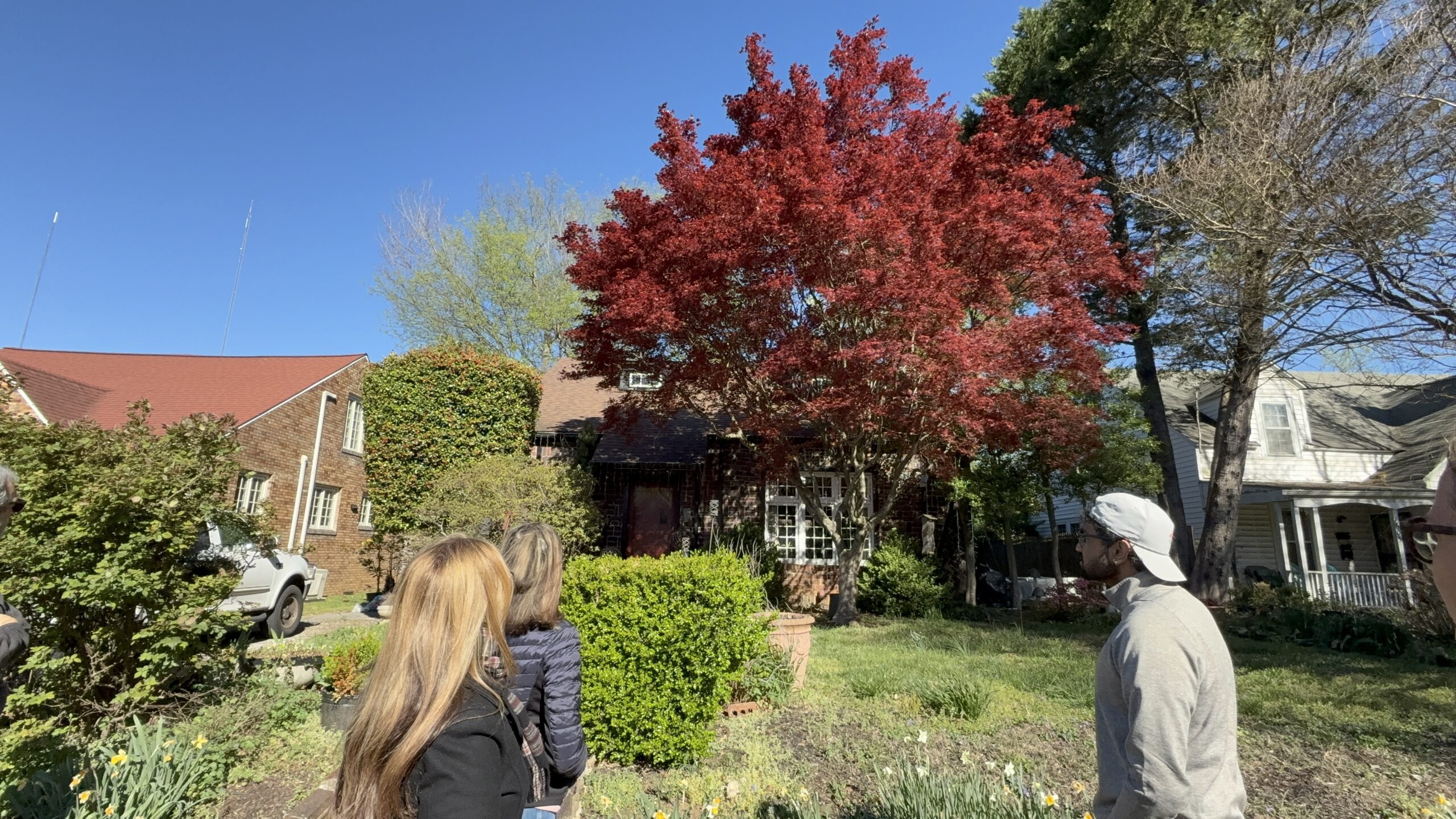
Nestled in North Knoxville, just a quick drive (or a pleasant bike ride) from downtown, lies one of the city’s most charming and historically rich residential pockets: the Fairmont-Emoriland neighborhood. With its wide, tree-lined boulevards, graceful early-20th-century homes, and quiet, walkable streets, it’s easy to see why locals have long treasured this area. But beyond the picturesque facades and shady sidewalks, Fairmont-Emoriland holds layers of local lore—from pioneer land grants and agricultural roots to the stories of the families who shaped it into the vibrant community it is today.
From Rolling Farmland to Suburban Dream
For more than a century, the land that became Fairmont-Emoriland was simply rolling farm country north of Knoxville. It all traces back to pioneer settler Andrew McCampbell (1754–1825), who accumulated a large tract around a 1793 land grant of 350 acres from North Carolina. Tradition holds that his fortified log residence once stood near the present intersection of Emoriland Boulevard and Orlando Street—a reminder that this peaceful neighborhood was once frontier territory.
In 1882, Reverend Isaac Emory purchased 48 acres from the McCampbell family. His land stretched from what is now Walker Boulevard eastward, incorporating the gentle curves of First Creek. Emory’s name would eventually live on in more than just Emory Place downtown; it inspired “Emoriland,” one of the neighborhood’s signature wide boulevards.
The real transformation came in the 1920s. As Knoxville grew and the streetcar line extended northward (with a stop at Arlington), developer Charles Emory (likely connected to the earlier Emory family) saw opportunity. He laid out streets and auctioned lots starting in 1924, creating the Fairmont Park Historic District (now protected under a Neighborhood Conservation overlay). Homes sprang up in popular styles of the era: Craftsman bungalows, Colonial Revivals, Tudor Revivals, Dutch Colonials, and even some Mediterranean influences. Larger lots than many older in-town neighborhoods gave the area a spacious yet intimate feel—human-scale, as residents often describe it.
By 1927, McCampbell School had opened to serve the growing families, and churches followed soon after. The neighborhood quickly became a desirable address for Knoxville’s middle and professional classes seeking a step up from denser urban living without venturing too far from the city.
The Boulevards That Define It
Fairmont-Emoriland gets its name from its two standout thoroughfares: Fairmont Boulevard and Emoriland Boulevard. These parallel, generously proportioned streets are lined with mature trees, creating a canopy that makes even a simple stroll feel special. First Creek meanders through parts of the neighborhood, occasionally cutting right through backyards—a quirky natural feature that adds to the area’s character.
Homes here tell stories of their own. You’ll find charming 1920s–1930s Tudors with steep roofs and brick details, Dutch Colonials with gambrel roofs, and solid Craftsman designs with welcoming porches. Many have been lovingly maintained or thoughtfully updated while respecting the historic fabric, thanks to the conservation guidelines established in 2002.
A Neighborhood with Personality and Lore
Fairmont-Emoriland has always had a distinct personality. In the early 2000s, it earned a playful local nickname—“Queen Acres”—among some residents, reflecting its appeal to gay and lesbian professionals who appreciated the beautiful (but then more affordable) homes, strong sense of community, and proximity to downtown. Far from being a “ghetto” of any kind, it became known for its welcoming, neighborly vibe that embraced diversity while maintaining small-town Knoxville warmth.
Local historians like Jennifer Montgomery (of Local Lore Knoxville fame) have highlighted the area’s agricultural past during neighborhood walks and talks. Watch the March 28, Local Lore walking tour here. Events have explored everything from the McCampbell-era farms to the development boom of the 1920s, bringing the neighborhood’s layered history to life for newcomers and longtime residents alike. These “lore” sessions remind us that every street corner, every old oak, and every creek bend has a tale.
While Knoxville has its share of famous haunted spots (the Bijou Theatre, Ramsey House, and more), Fairmont-Emoriland’s lore leans more toward everyday pioneer grit, family legacies, and community evolution than ghostly apparitions. Still, on a quiet evening walk along Emoriland or Fairmont, it’s easy to imagine the echoes of streetcar bells, children playing near the creek, or early residents tending gardens on what was once farmland.


Why Fairmont-Emoriland Endures
Today, the neighborhood remains one of Knoxville’s best-kept secrets for those seeking character without sacrificing convenience. It’s walkable, scenic, and just minutes from downtown—about an 8-minute drive or 24-minute bike ride. With only around 125 homes, it retains an intimate scale that fosters real community connections.
Whether you’re a history buff tracing McCampbell’s land grants, an architecture lover admiring the revival styles, or simply someone who appreciates tree-lined streets and a strong neighborhood association, Fairmont-Emoriland offers a slice of authentic Knoxville lore.
Next time you’re in North Knoxville, take a detour. Stroll Emoriland Boulevard, pause where First Creek curves through a yard, and picture the farms that came before the boulevards. In a city full of big stories, this quiet corner holds some of the most enduring ones—rooted in land, family, and the simple pleasure of a good neighborhood.
Have you explored Fairmont-Emoriland or joined a Local Lore walk? Share your favorite spot or story in the comments!