


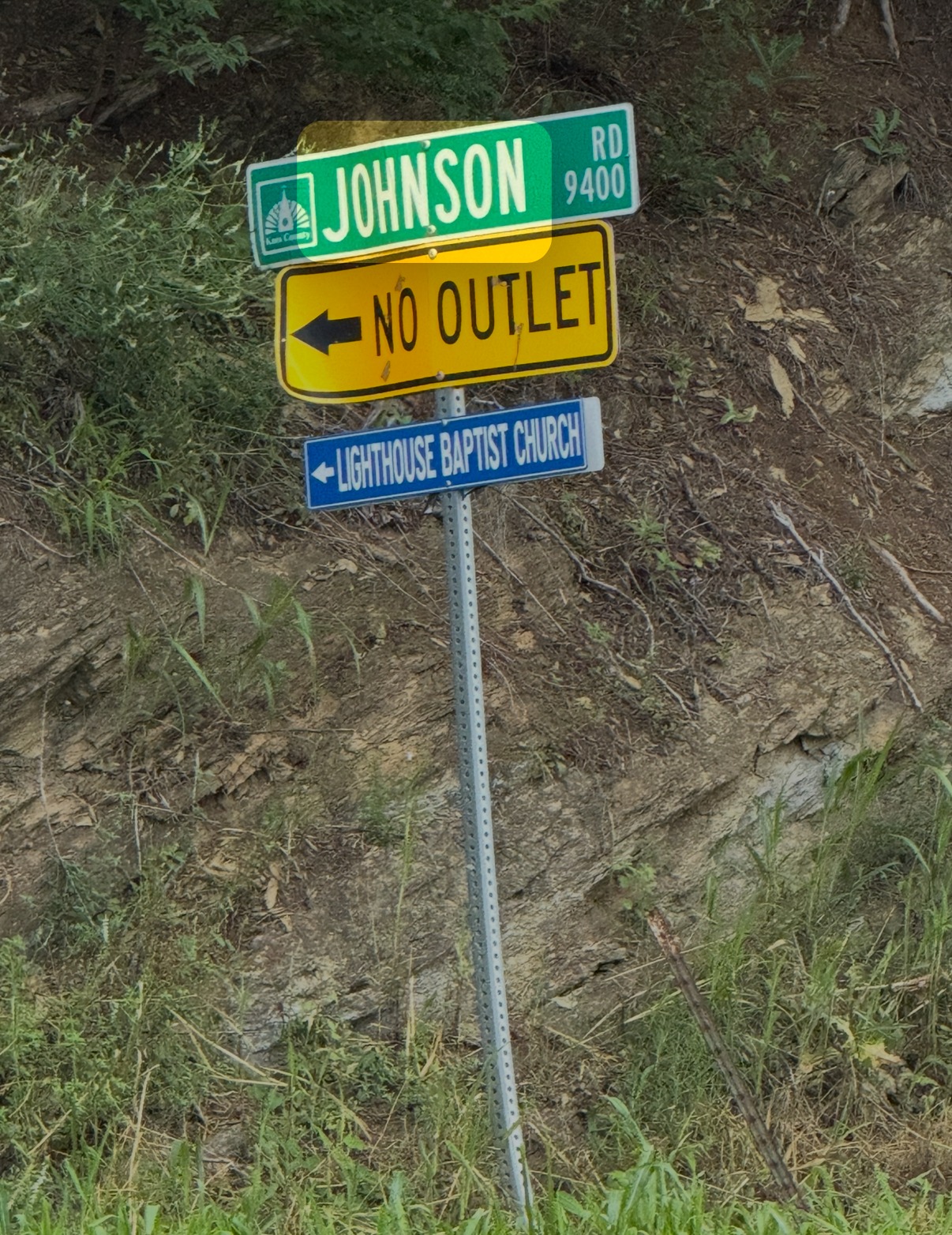
In East Knox County, a proposal for speed humps on Johnson Road, near the Jefferson County line, has sparked local debate. Concerned residents raised alarms about speeding vehicles, prompting a transparent response from Knox County Engineering and Public Works (KCEPW), led by Director Jim Snowden. Here’s the full story.
Background
On May 17, 2025, residents contacted me about a proposed traffic calming initiative for Johnson Road, off Andrew Johnson Highway. The road, closer to Jefferson County than Knoxville’s city limits, lies within the county’s jurisdiction due to 1990s city annexation boundaries. Following an open records request submitted on the same day, KCEPW provided detailed information on June 26, 2025, after a follow-up clarification on June 3.
The Proposal
The application for speed humps, submitted on June 21, 2022, cited serious safety concerns. The anonymous applicant, as required by state law, noted vehicles speeding up to 60 mph on a road primarily lined with homes of elderly residents. Additional hazards included a semi-truck trailer running off the road due to excessive speed and a near-miss incident involving a pedestrian at a mailbox. The applicant also highlighted difficulties exiting driveways safely, exacerbated by nearby Valley Protein operations at the road’s end.
KCEPW’s Response
KCEPW outlined that speed hump installations are handled in-house, with each hump costing approximately $2,000, including signage and pavement markings. The proposed plan for Johnson Road includes two speed humps, totaling an estimated $4,000, fully funded by the county, including ongoing maintenance.
Community Feedback
The decision hinges on a community vote, which requires at least 67% approval from returned ballots to proceed. As of June 26, 2025, with voting set to close on June 30, 2025, the tally stands at:
- Total Votes: 39
- Votes Against: 32 (82%)
- Votes In Favor: 7 (18%)
With only 18% support, the initiative is unlikely to meet the required threshold, signaling that speed humps on Johnson Road are not likely to be installed.
A Model of Transparency
KCEPW’s prompt and detailed response to the open records request demonstrates their commitment to transparency and community engagement. Under Director Jim Snowden’s leadership, the department has effectively communicated costs, processes, and community sentiment, ensuring residents are informed and involved.
This case highlights how local government can work collaboratively with citizens to address safety concerns, even when proposed solutions face opposition. For now, Johnson Road will likely remain as is, but the dialogue between residents and KCEPW sets a strong example for responsive governance.